Genkai no `shoku no mirai' e no torikumi 15 Genkai's efforts toward the future of food
Watch Genkai's initiatives in this video ▶︎
Japan's food self-sufficiency rate is 37%. We rely on overseas sources for over 60% of the food we eat.As of 2022, the agricultural population was 1.23 million, with an average age of 67.9 years. It's predicted that if this trend continues for another 20 years, the number of farmers will fall below 300,000.This is not a distant prospect.While Japan's chicken meat self-sufficiency rate is 66%, almost all of its feed is imported. If feed imports stop, the actual self-sufficiency rate for chicken meat will fall below 10%. The possibility that we may not be able to eat what we eat every day tomorrow is quietly accumulating.Genkai, which has been making mizutaki (chicken hot pot) in Shinjuku for 97 years, could not ignore this problem.
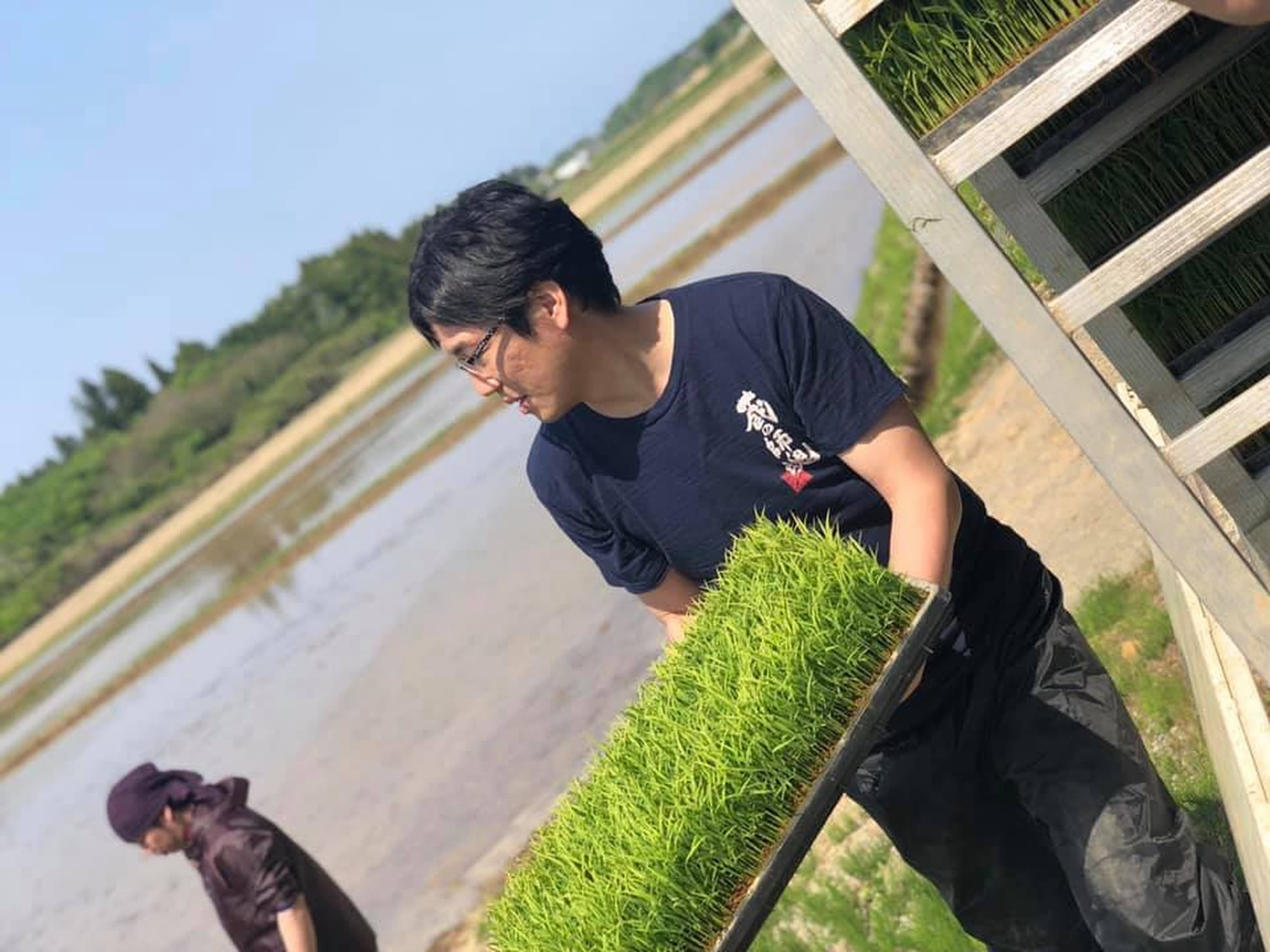
Rice planting for the 11th year.
The 2011 Great East Japan Earthquake transformed farmland in Shinchi Town, Fukushima Prefecture. After the tsunami receded, abandoned farmland spread. Rice paddies, no longer used by anyone, quietly fell into disrepair.
Genkai rented one of these rice paddies. Named "Genkai Rice Paddy," they take their employees every year to participate in the rice planting and harvesting. This year marks their 11th year.The 2026 business trip saw a record 21 participants, including external guests. The trip cost approximately 400,000 yen. They closed a regular business day, sacrificing sales for the trip.Planting rice. Back aches.Hands covered in mud. At the mercy of the weather. Yet, the rice grows. And there's a feeling that only those who cultivate it can understand."Eating is not something to be taken for granted."The true purpose of this business trip is for all employees to experience this feeling.
Speaking with the people at Meguro Farm. Witnessing the reality of abandoned farmland firsthand. You encounter the grandeur and cruelty of nature. There are moments when the concept of food security ceases to be something you read in textbooks.The harvested rice is used in dishes such as the rice porridge served at the end of Genkai's mizutaki (chicken hot pot). The menu reads:"This rice is grown in a field that was abandoned farmland in Shinchi Town, Fukushima Prefecture, and has been nurtured for 11 years, breathing new life into it."
Genkai rented one of these rice paddies. Named "Genkai Rice Paddy," they take their employees every year to participate in the rice planting and harvesting. This year marks their 11th year.The 2026 business trip saw a record 21 participants, including external guests. The trip cost approximately 400,000 yen. They closed a regular business day, sacrificing sales for the trip.Planting rice. Back aches.Hands covered in mud. At the mercy of the weather. Yet, the rice grows. And there's a feeling that only those who cultivate it can understand."Eating is not something to be taken for granted."The true purpose of this business trip is for all employees to experience this feeling.
Speaking with the people at Meguro Farm. Witnessing the reality of abandoned farmland firsthand. You encounter the grandeur and cruelty of nature. There are moments when the concept of food security ceases to be something you read in textbooks.The harvested rice is used in dishes such as the rice porridge served at the end of Genkai's mizutaki (chicken hot pot). The menu reads:"This rice is grown in a field that was abandoned farmland in Shinchi Town, Fukushima Prefecture, and has been nurtured for 11 years, breathing new life into it."
Reasons for purchasing whole chickens
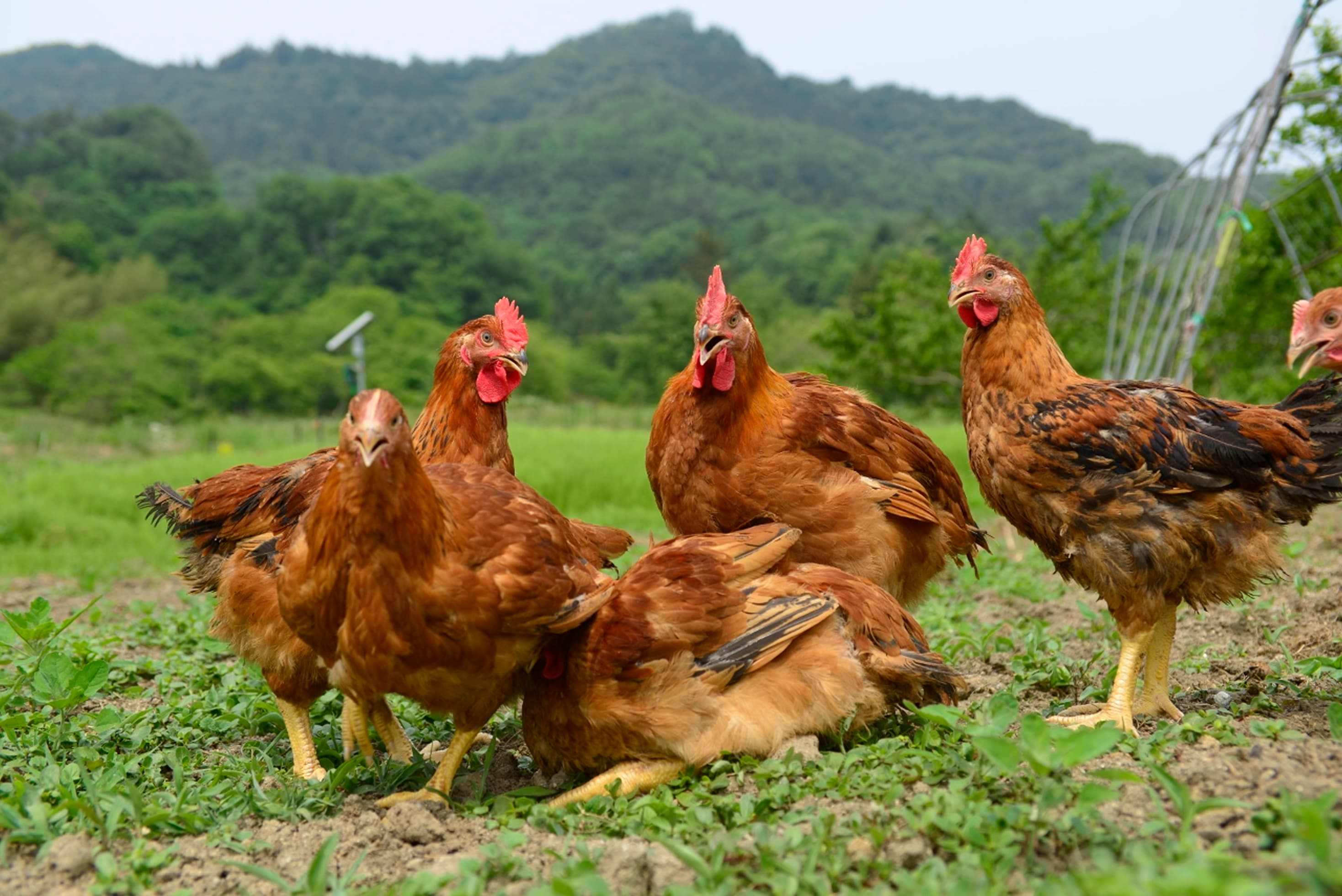
Genkai holds a license for processing poultry.Only restaurants with this qualification can purchase whole chickens—carcasses.This allows them to obtain parts that are unavailable through the more common method of purchasing individual cuts. There's a traditional, inherited recipe for mizutaki (a type of hot pot) where the bone-in chicken is added to the broth. The rich flavor that unfolds around the bone is something that can never be achieved with butchered meat.
The license is more than just a qualification; it's proof of their commitment to using every part of the chicken.Genkai is currently developing "Genkai Chicken" as a long-term project. This involves developing a chicken brand using 100% domestically produced feed. Using domestically produced feed is the first step towards food security that doesn't rely on imported feed.
There's a saying: treat it not just as an ingredient, but as a "food asset." It's about treating it as a valuable asset, using it carefully and completely. It's about avoiding food waste and building long-term relationships of trust with producers. This philosophy is at the core of what Genkai has been doing for 97 years.
I went to see the Japanese Miscanthus.
Genkai has visited various production areas, including poultry farms, vegetable fields, livestock farms, and fisheries producers, learning firsthand about their dedication to quality ingredients, their commitment to safety, and their efforts.
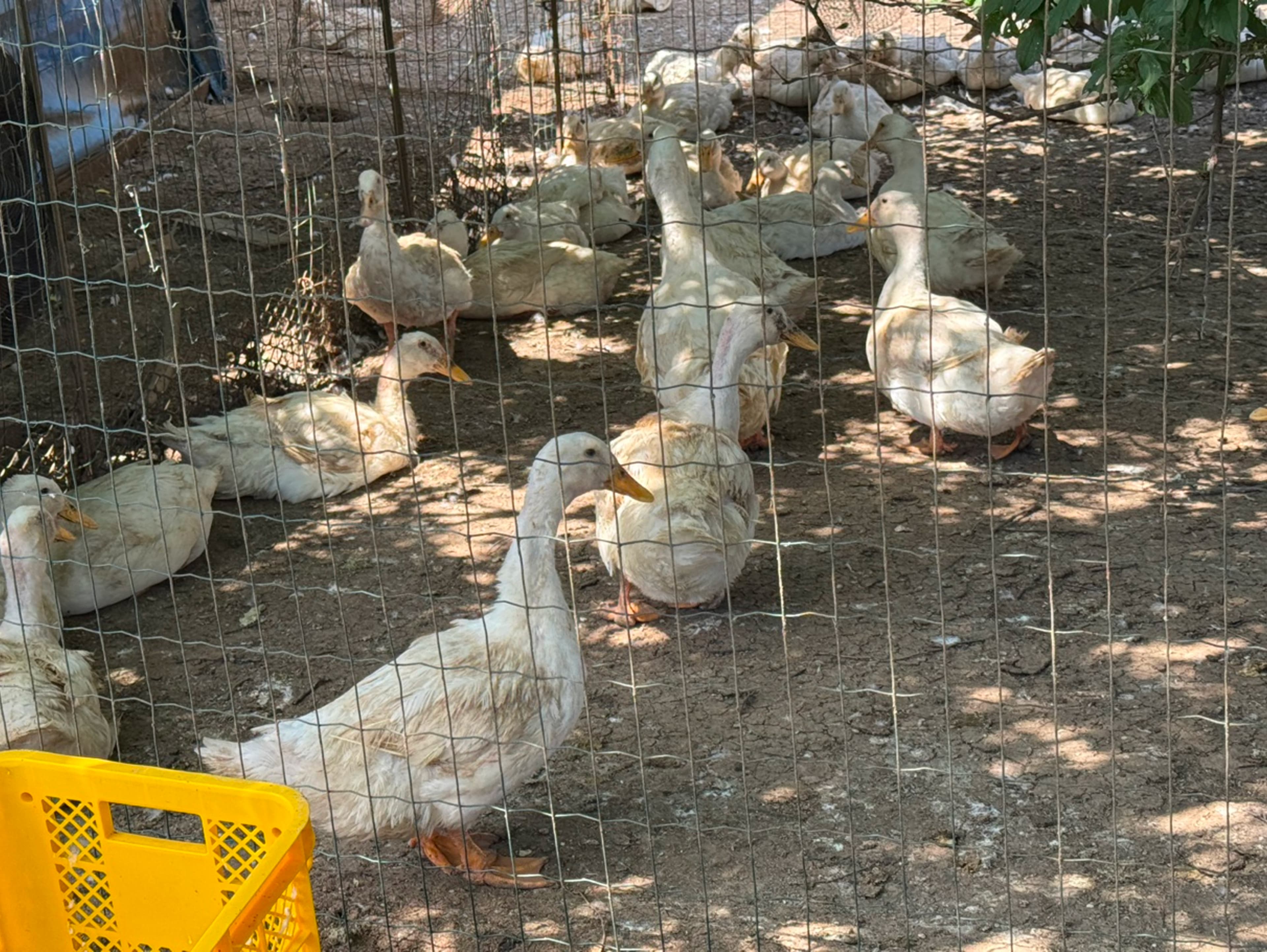
On their way back from a business trip to Fukushima this year, Genkai staff stopped by a producer of Kasumi ducks.Raised in a stress-free environment, Kasumi ducks are fed only natural feed. These carefully nurtured lives become the dishes they serve. The meaning of serving food to customers by staff who understand this process is fundamentally different from food served by staff who don't.
Genkai defines this as "communicating the cooking philosophy to customers is a responsibility of customer service."They are not serving robots. Perhaps this is something only humans can do.Only staff who understand the background of the ingredients can speak about that background. That's why they go to the production areas. They talk to the producers. They look into the animals' eyes. This naturally seeps into their conversations with customers at the table.A hot pot dish using Kasumi duck bones. What does it taste like when gelatinous duck feet are emulsified? A new possibility. A possibility that could never have been born in a shop. Genkai is now trying it out.
On their way back from a business trip to Fukushima this year, Genkai staff stopped by a producer of Kasumi ducks.Raised in a stress-free environment, Kasumi ducks are fed only natural feed. These carefully nurtured lives become the dishes they serve. The meaning of serving food to customers by staff who understand this process is fundamentally different from food served by staff who don't.
Genkai defines this as "communicating the cooking philosophy to customers is a responsibility of customer service."They are not serving robots. Perhaps this is something only humans can do.Only staff who understand the background of the ingredients can speak about that background. That's why they go to the production areas. They talk to the producers. They look into the animals' eyes. This naturally seeps into their conversations with customers at the table.A hot pot dish using Kasumi duck bones. What does it taste like when gelatinous duck feet are emulsified? A new possibility. A possibility that could never have been born in a shop. Genkai is now trying it out.

The sake "Meguro" was born.
Thanks to the efforts of Meguro Farm, a new sake was born."Meguro" sake was developed in collaboration with Meguro Farm. The rice paddies were devastated by the tsunami during the Great East Japan Earthquake. The excess salt (sodium) from the sea led to cotton cultivation to remove it, allowing the rice to absorb the sodium and regenerate. This initiative represents a step forward for those who have worked diligently towards recovery and restored their rice paddies. This limited-edition sake is made using table rice, not sake rice, demonstrating a commitment to quality. It's not just about making money.The fact that it's "once it's gone" is what gives this sake its value.A single serving of "Meguro" placed next to a hot pot is more than just a drink. Drinking a glass knowing where it was grown, who made it, and why it's here is a deeper experience than drinking a glass without that knowledge.
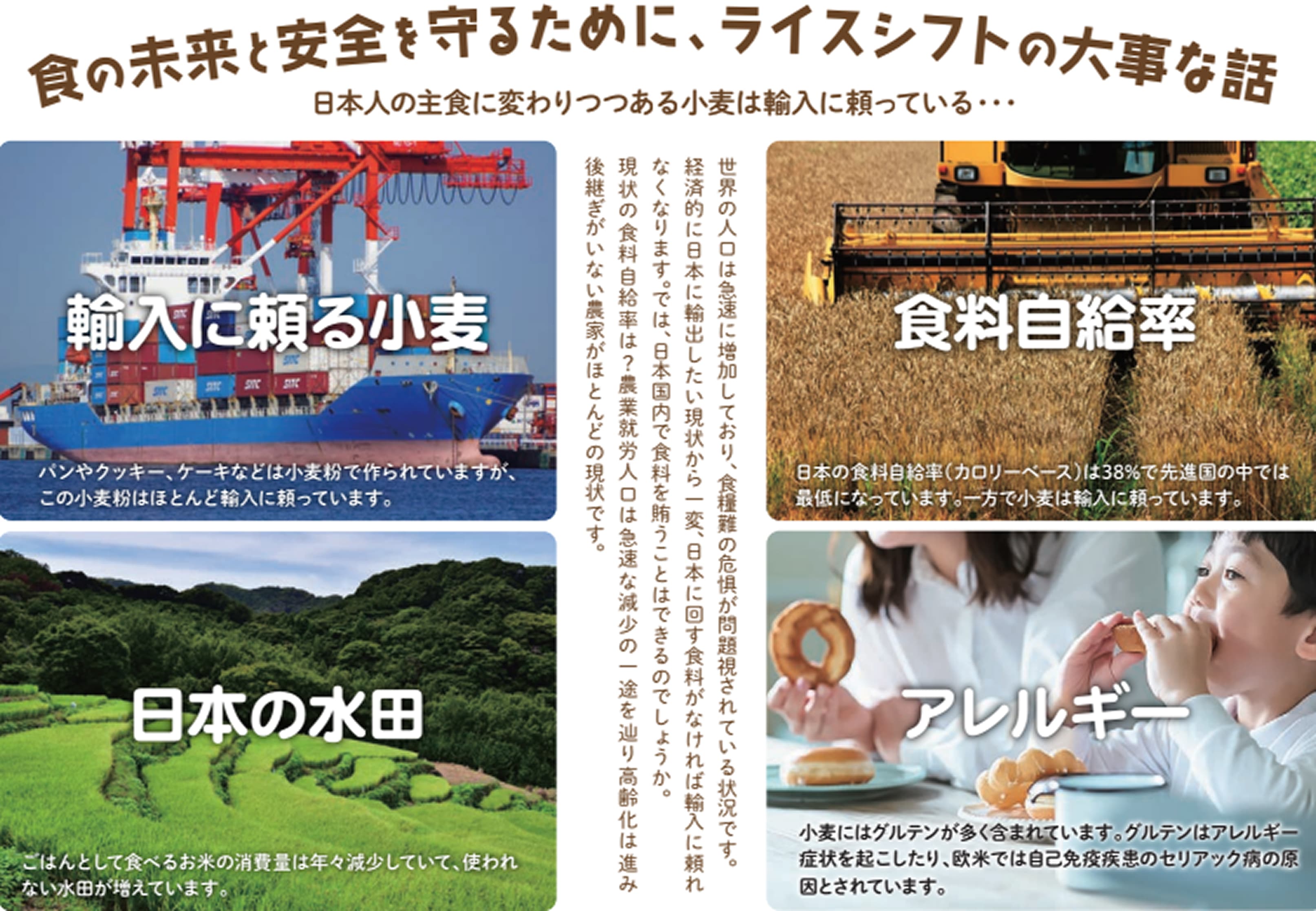
Rice flour will change our self-sufficiency rate. The choice of a rice shift.
Japan boasts a 98% self-sufficiency rate for rice, making it one of the few staple foods that the country can produce itself.On the other hand, its wheat self-sufficiency rate is only about 15%.Many essential items on the Japanese dinner table—bread, pasta, udon noodles, and batter for fried foods—depend on imported wheat. The surge in wheat prices triggered by Russia's invasion of Ukraine clearly demonstrated this vulnerability.
Replacing wheat with rice increases self-sufficiency. This concept is called "rice shift."
Genkai's fried chicken is fried in rice flour. Genkai's confectionery also uses rice flour in its financiers. Furthermore, the cookies used as toppings for shaved ice are made with rice flour. Simply replacing wheat flour with rice flour eliminates gluten, making it suitable for those with allergies. This simultaneously addresses dietary diversity (gluten-free options) and improves food self-sufficiency.The Ministry of Agriculture, Forestry and Fisheries also positions the widespread use of rice flour as an important means of improving food self-sufficiency. A single restaurant choosing rice flour might seem like a small decision. However, if these choices accumulate, they will change the structure of Japanese cuisine.
Rice grown in Genkai rice paddies becomes rice porridge. The sake "Meguro" is born from that rice. Rice flour is used in the batter for fried foods. Sweets are baked with rice flour. Rice is playing a more active role in various aspects of our meals. This is the quiet assertion of Genkai, a company that has been dedicated to food for 97 years.
Similar initiatives are also beginning to be undertaken with themes such as "soybeans" and "farmed fish."
Replacing wheat with rice increases self-sufficiency. This concept is called "rice shift."
Genkai's fried chicken is fried in rice flour. Genkai's confectionery also uses rice flour in its financiers. Furthermore, the cookies used as toppings for shaved ice are made with rice flour. Simply replacing wheat flour with rice flour eliminates gluten, making it suitable for those with allergies. This simultaneously addresses dietary diversity (gluten-free options) and improves food self-sufficiency.The Ministry of Agriculture, Forestry and Fisheries also positions the widespread use of rice flour as an important means of improving food self-sufficiency. A single restaurant choosing rice flour might seem like a small decision. However, if these choices accumulate, they will change the structure of Japanese cuisine.
Rice grown in Genkai rice paddies becomes rice porridge. The sake "Meguro" is born from that rice. Rice flour is used in the batter for fried foods. Sweets are baked with rice flour. Rice is playing a more active role in various aspects of our meals. This is the quiet assertion of Genkai, a company that has been dedicated to food for 97 years.
Similar initiatives are also beginning to be undertaken with themes such as "soybeans" and "farmed fish."

Eating is about making choices.
Choosing where to eat is also choosing who to support.Genkai's continued visits to production areas aren't solely for environmental activism. It stems from a belief that the future of food begins at today's dinner table. A restaurant owning its own rice paddies, talking with producers, and understanding life before serving food—if this cycle continues, food culture will endure.Looking ahead to 2040, Genkai has a vision: "Domestic production, domestic consumption"—creating an environment where food consumed domestically can be sourced domestically. Recycling resources. Eliminating food waste.Why would a restaurant specializing in mizutaki (chicken hot pot) for 97 years think about such things?Perhaps it's simply because they've continued for 97 years, and they can't help but think about the next 97 years. That might be all there is to it.